
Understanding Dog Anxiety can be challenging for even the most attentive pet parents. Many dogs suffer in silence because their symptoms appear subtle rather than destructive. By learning these hidden cues, you can provide the support your companion needs to feel safe again.
Recognizing Early Dog Anxiety Cues
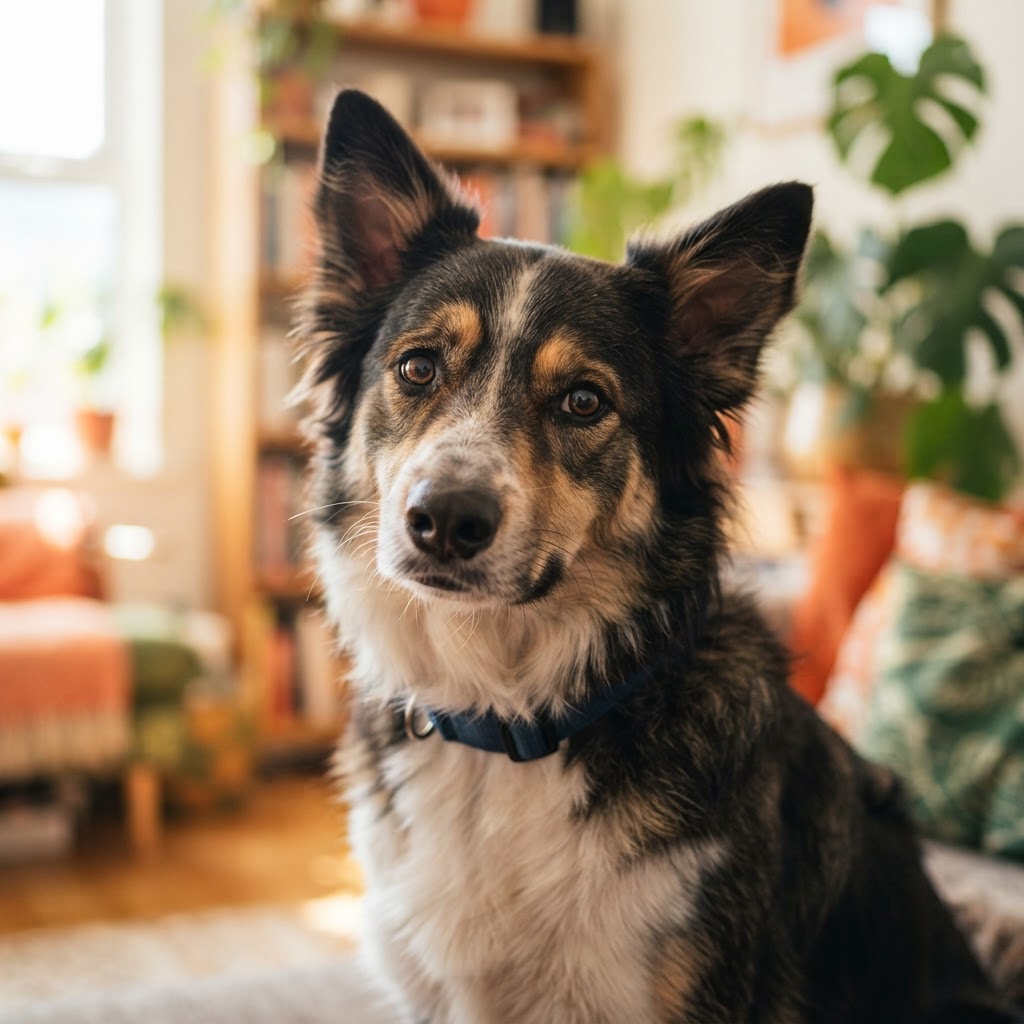
Often, owners miss the earliest warning signs because they seem like normal personality quirks. For instance, your dog might start yawning when no one is tired or panting when the temperature is cool. These are classic indicators of internal stress. According to the American Kennel Club, identifying these shifts early is vital for long-term emotional health.
Subtle Changes in Body Language
Moreover, watch for subtle physical changes. Does your dog show the “whale eye” where the whites of their eyes become visible? This is a common indicator of discomfort. In addition, a tucked tail or pinned ears often signal underlying fear that requires your immediate attention.
Behavioral Shifts and Withdrawal
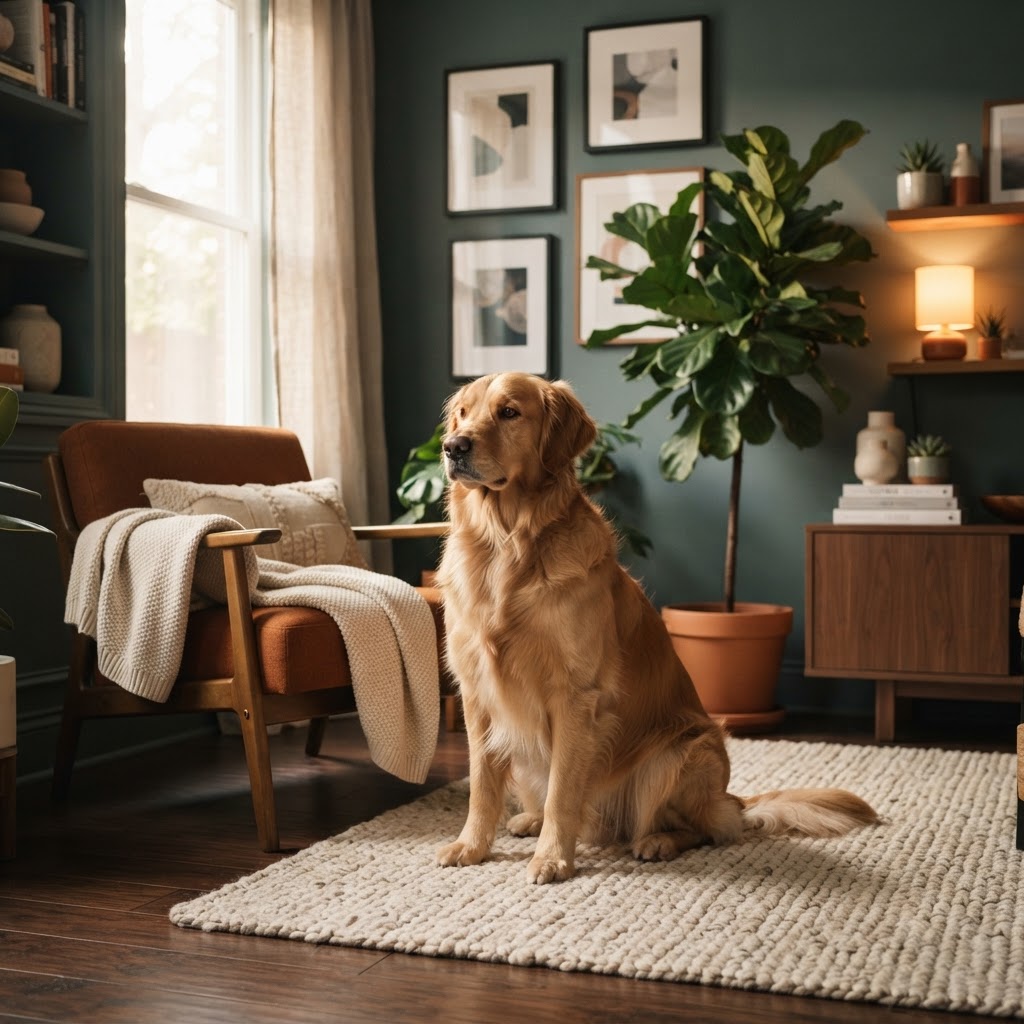
Furthermore, behavioral changes often accompany physical signals. Some dogs may lose their appetite suddenly or refuse their favorite treats. Similarly, an anxious pet might avoid social interactions or retreat to a quiet corner. Resources like ASPCA provide extensive guides on addressing these specific patterns effectively.
How to Help Your Anxious Pet
Fortunately, you can take proactive steps to improve your dog’s environment. First, create a safe space where they can retreat when feeling overwhelmed. Use positive reinforcement to build their confidence during stressful moments. Finally, consistency in your daily routine helps minimize unpredictable stressors that trigger episodes.
Conclusion
In summary, being vigilant regarding dog anxiety ensures your pet lives a full, happy life. While these signs are often quiet, your awareness makes all the difference. Always consult with your veterinarian if you notice persistent changes in behavior or temperament.