
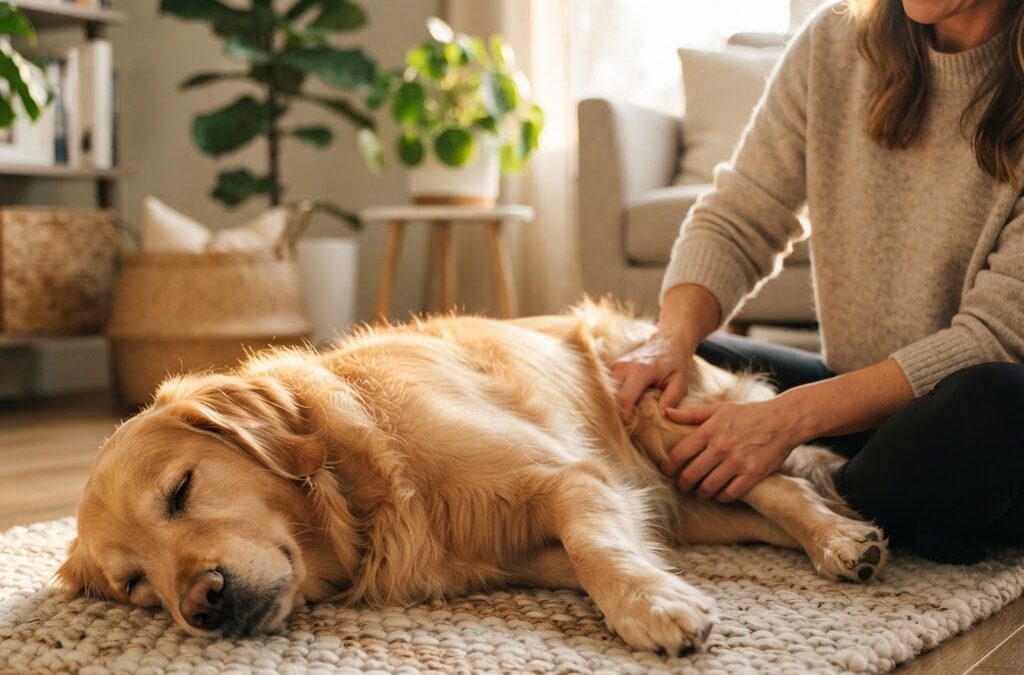
5 Proven Canine Massage Tips for Dysplasia
Canine massage offers a gentle, effective way to support dogs struggling with hip dysplasia. As a result, your pet may experience significantly reduced stiffness and enhanced comfort in their daily life.
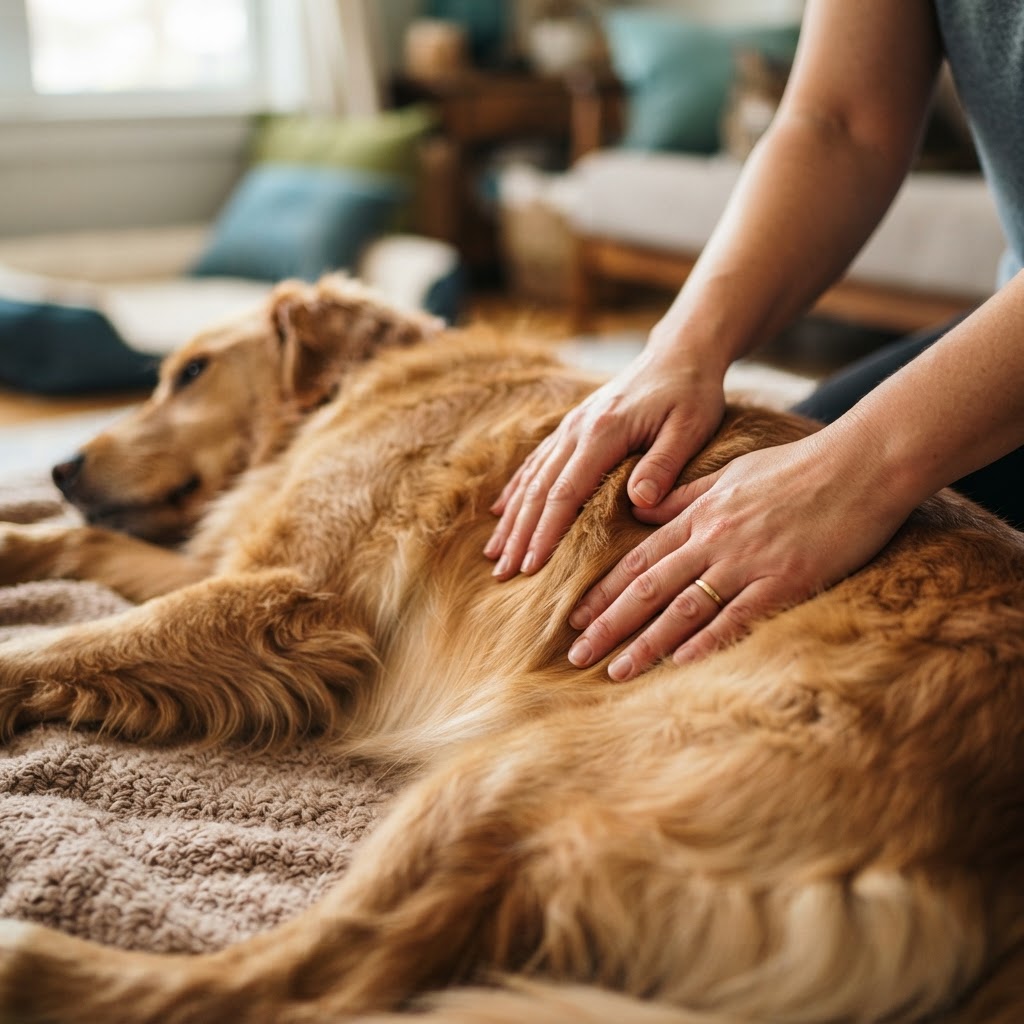
Hip dysplasia is a common condition where the hip joint fits improperly. Consequently, many dogs suffer from chronic inflammation and painful muscle tension.
The Benefits of Canine Massage for Mobility
Integrating professional touch into your routine helps soothe overworked muscles. Furthermore, it improves blood flow to the affected joints, promoting better recovery after walks.
You should consult your veterinarian before starting any new therapy. For more details on clinical signs, visit the American Kennel Club guide.
Simple Techniques for Your Dog
Begin by creating a calm environment for your furry friend. Therefore, ensure they feel safe and relaxed before you touch their hips.
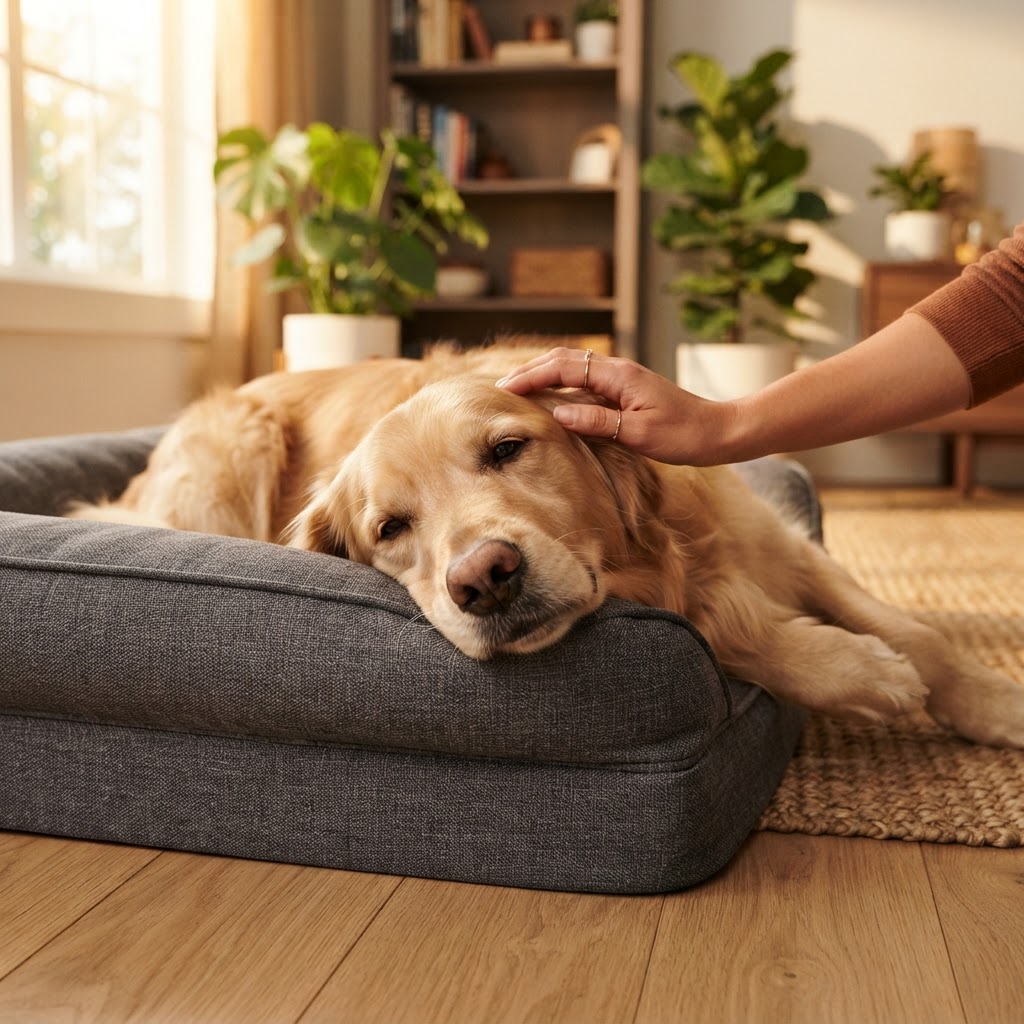
First, use long, broad strokes along the back muscles to warm up the tissue. Moreover, gentle kneading helps release deep-seated tension near the pelvic area.
Always watch your dog for signs of discomfort during the session. If they pull away, stop immediately to avoid causing further stress.
Creating a Consistent Recovery Routine
Consistency remains the secret to seeing real progress over time. For instance, five-minute sessions daily are often more effective than one long session weekly.
In addition to these techniques, consider environmental modifications for your pet. You can find helpful resources regarding rehabilitation at the Canine Rehabilitation Institute.
Ultimately, your dedication to their comfort will strengthen your bond. Through patient, regular effort, you can provide your dog with a much happier life.


